
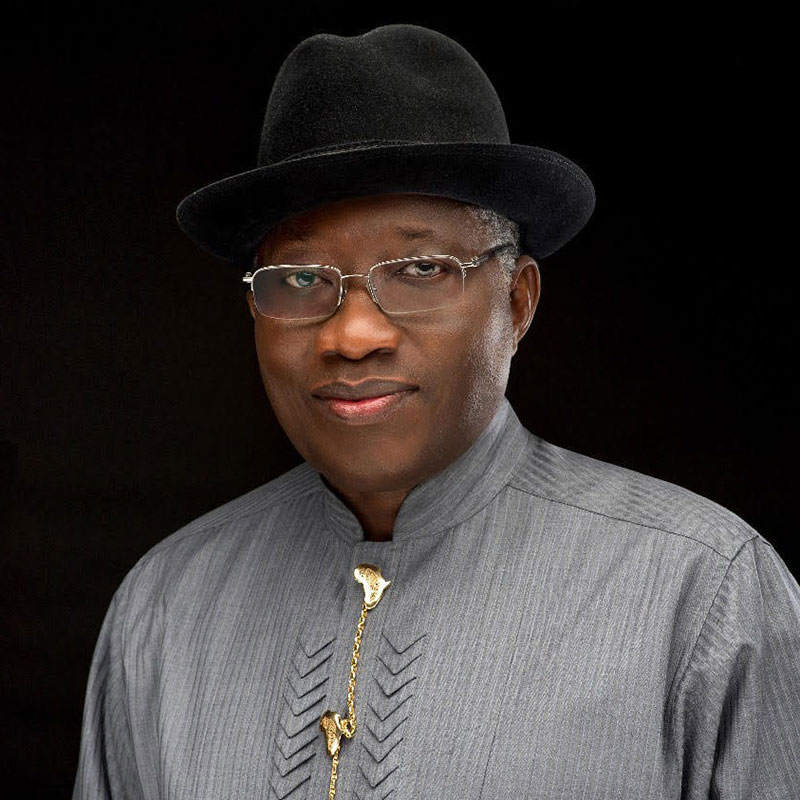

Goodluck Ebele Jonathan’s story is one of the most remarkable in Nigerian political history — a man who grew up without shoes in a rural Niger Delta community, rose through academic and political ranks largely on personal merit, and ultimately ascended to the highest office in Africa’s most populous country. He is remembered as Nigeria’s first president to publicly concede electoral defeat and hand power to an opposition candidate — a moment that, in the context of African democratic history, carries genuine significance regardless of how one assesses his actual governance record.
Goodluck Jonathan Biography
| Full Name | Goodluck Ebele Jonathan GCFR |
|---|---|
| Date of Birth | 20 November 1967 |
| Age | 58 years old (as of 2026) |
| Place of Birth | Otuoke, Bayelsa State, Nigeria |
| Nationality | Nigerian |
| Ethnicity | Ijaw |
| Religion | Christian |
| Occupation | Academic (Zoologist), Politician, Former President of Nigeria |
| Education | University of Port Harcourt (BSc, Zoology; MSc, Hydrobiology; PhD, Zoology) |
| Wife | Patience Jonathan |
| Children | Two |
| Known For | President of Nigeria (2010–2015); Governor of Bayelsa State (2005–2007); peaceful concession of 2015 election |
Early Life and Background
Goodluck Ebele Jonathan was born on 20 November 1967 in Otuoke, a small community in what is now Bayelsa State, in Nigeria’s Niger Delta region. He has spoken openly about growing up in poverty, including his famous statement that he went to school without shoes and used a school bag made of leaves. This humble origin has been central to both his political narrative and his personal identity. He is of Ijaw ethnic heritage — one of the Niger Delta’s dominant communities — and his rise to national power gave the Ijaw people, historically marginalised in Nigeria’s political settlements, an unprecedented presence at the highest levels of national governance.
Education
What distinguishes Jonathan among Nigerian presidents is his academic pedigree. He attended the University of Port Harcourt, where he earned a Bachelor of Science in Zoology, followed by a Master’s degree in Hydrobiology and a Doctor of Philosophy (PhD) in Zoology from the same institution. He later worked as an education inspector and lectured at the university level — building an academic career before transitioning into politics. His zoological expertise and academic formation gave him an evidence-based orientation that he carried into governance, with varying results.
Career Journey
Goodluck Jonathan’s political career began at the local government level in Bayelsa State. He was elected Deputy Governor of Bayelsa State in 1999 and assumed the governorship in 2005 when Governor Diepreye Alamieyeseigha was impeached following corruption charges. He consolidated his position and was elected to a full term as governor. In 2007, he was selected as Vice Presidential running mate to the PDP’s presidential candidate Umaru Musa Yar’adua. The PDP won the election, and Jonathan became Vice President on 29 May 2007.
When President Yar’adua fell gravely ill and traveled to Saudi Arabia for treatment in November 2009, a constitutional crisis emerged over who should exercise presidential authority. After months of political manoeuvring, the National Assembly passed a resolution in February 2010 that effectively recognised Jonathan as acting President. He was formally sworn in as substantive President on 6 May 2010 after Yar’adua’s passing.
He won the 2011 presidential election decisively and governed Nigeria until May 2015. His administration coincided with a period of strong oil revenue and Nigeria becoming the continent’s largest economy by GDP rebasing in 2014. However, his tenure was also marked by significant challenges: the Boko Haram insurgency, which intensified dramatically during his presidency; the Chibok schoolgirls kidnapping in April 2014, which drew global attention; corruption scandals including the alleged disappearance of billions of dollars from the Nigerian National Petroleum Corporation; and the overall perception that his government was too porous in its approach to financial governance.
His most celebrated legacy is his concession of the 2015 presidential election to Muhammadu Buhari — a moment he made before the final results were announced, calling Buhari to congratulate him personally. For many observers, this peaceful transfer of power demonstrated that African democracy could function and that an incumbent president could accept electoral loss gracefully. He has spoken internationally about democratic governance and peace since leaving office, and has been involved in various mediation and observation efforts on the continent.
Personal Life
Goodluck Jonathan is married to Patience Jonathan (née Faka). They have two children. Patience Jonathan became a prominent and colourful public figure during his presidency, attracting both admiration and satirical attention for her public statements and personal style. The family is based in Abuja and retains a presence in Otuoke.
Religion
He is a Christian — specifically a member of a church in the Niger Delta tradition. His faith has been a publicly stated foundation of his personal and political life.
Net Worth
Goodluck Jonathan’s net worth is a matter of significant public debate in Nigeria. His administration was associated with large-scale financial losses from the oil sector, and critics have linked his government to significant corruption, though he has not been personally convicted of any offence. His estimated wealth, as a former president with post-office income from international engagements, speaking fees, and consultancy work, is substantial but not officially confirmed.
Known For
Goodluck Jonathan is known for his academic background (PhD in Zoology), his role in the 2010 constitutional transition following Yar’adua’s illness, his 2011 election victory, the Boko Haram insurgency and Chibok abductions during his presidency, and above all his peaceful concession of the 2015 election — an act widely praised as a contribution to African democratic development.
Conclusion
Goodluck Jonathan’s presidency is a complex ledger of genuine achievements and significant failures. He presided over an economy that became Africa’s largest on paper; he also oversaw a security crisis and fiscal environment that eroded confidence in his administration. What is harder to dispute is the personal journey: from a shoeless child in Otuoke to President of Nigeria, and then to a former head of state who chose democratic principle over self-preservation in 2015. That concession speech remains his most enduring political legacy.
Goodluck Jonathan’s Presidency: Economy and Governance
The economic dimensions of Goodluck Jonathan’s presidency are genuinely complex. On one hand, his administration oversaw the GDP rebasing exercise in 2014 that revealed Nigeria’s economy to be larger than previously measured — making it, on paper, the largest economy in Africa, overtaking South Africa. This was not a policy achievement but a statistical correction; nonetheless, it generated significant international attention and investment interest in Nigeria during his tenure. The oil revenue environment was generally favourable during most of his presidency, and the Sovereign Wealth Fund established in 2011 represented a serious attempt to create institutional mechanisms for saving oil revenues rather than spending everything immediately.
On the other hand, the allegations surrounding the Nigerian National Petroleum Corporation (NNPC) during his tenure are severe. A 2014 letter from Central Bank Governor Lamido Sanusi to President Jonathan — alleging that $20 billion in oil revenues had not been remitted by the NNPC to government accounts — triggered a political crisis and Sanusi’s suspension. The exact figures and the institutional processes involved remain disputed, but the episode became a defining symbol of the governance transparency failures that his critics associate with his administration. His handling of the Boko Haram insurgency — which intensified dramatically from 2011 onward, reaching its most destructive period with the Chibok abductions in 2014 — is perhaps the most painful dimension of his presidential legacy.
The Chibok Abduction and Its Aftermath
On 14 April 2014, Boko Haram militants abducted 276 girls from the Government Girls Secondary School in Chibok, Borno State. The abduction triggered a global campaign — #BringBackOurGirls — and focused international attention on both the Boko Haram insurgency and the Nigerian government’s response. The Jonathan administration’s initial response was widely criticised as slow, defensive, and inadequate. The military denied the full scale of the abduction for days; the president and first lady’s public responses were seen as tone-deaf; and the security forces’ failure to respond decisively in the immediate aftermath of the attack drew criticism from Nigerian civil society and international media alike.
Many of the Chibok girls were eventually rescued or released over subsequent years under the Buhari administration. The last known group of survivors were released in 2022. But the abduction became, during Jonathan’s presidency, the most visible symbol of the failure of his government’s security strategy — a failure that contributed significantly to his electoral defeat in 2015. His legacy is permanently associated with that moment, however unfair it might be to reduce eight years of governance to a single crisis.
Goodluck Jonathan’s Post-Presidential Engagement
Since leaving office, Goodluck Jonathan has been active in African continental diplomacy and electoral observation. He chaired the ECOWAS mediation mission to Guinea in 2021 following the military coup there, and has participated in various African Union diplomatic processes. His 2023 memoir-style account of his presidency offered his perspective on the events of his time in office, including the 2015 concession — which he framed as a deliberate choice made in the interest of Nigerian democratic stability rather than personal defeat. His continued international engagement suggests a former president who has successfully leveraged his democratic concession into a form of continental diplomatic capital that African institutions find genuinely valuable.
Frequently Asked Questions (FAQs)
How old is Goodluck Jonathan?
He was born on 20 November 1967 and is 58 years old as of 2026.
What is Goodluck Jonathan’s educational background?
He holds a BSc, MSc, and PhD in Zoology/Hydrobiology from the University of Port Harcourt — one of the most academically qualified Nigerian presidents in history.
What is Goodluck Jonathan best remembered for?
He is most often remembered for his peaceful concession of the 2015 presidential election to Muhammadu Buhari before the results were fully declared — a widely praised democratic act in the context of African politics.
Who is Goodluck Jonathan’s wife?
He is married to Patience Jonathan (née Faka). They have two children.
What is Goodluck Jonathan’s ethnicity?
He is of Ijaw ethnicity, from the Niger Delta region of Nigeria.
