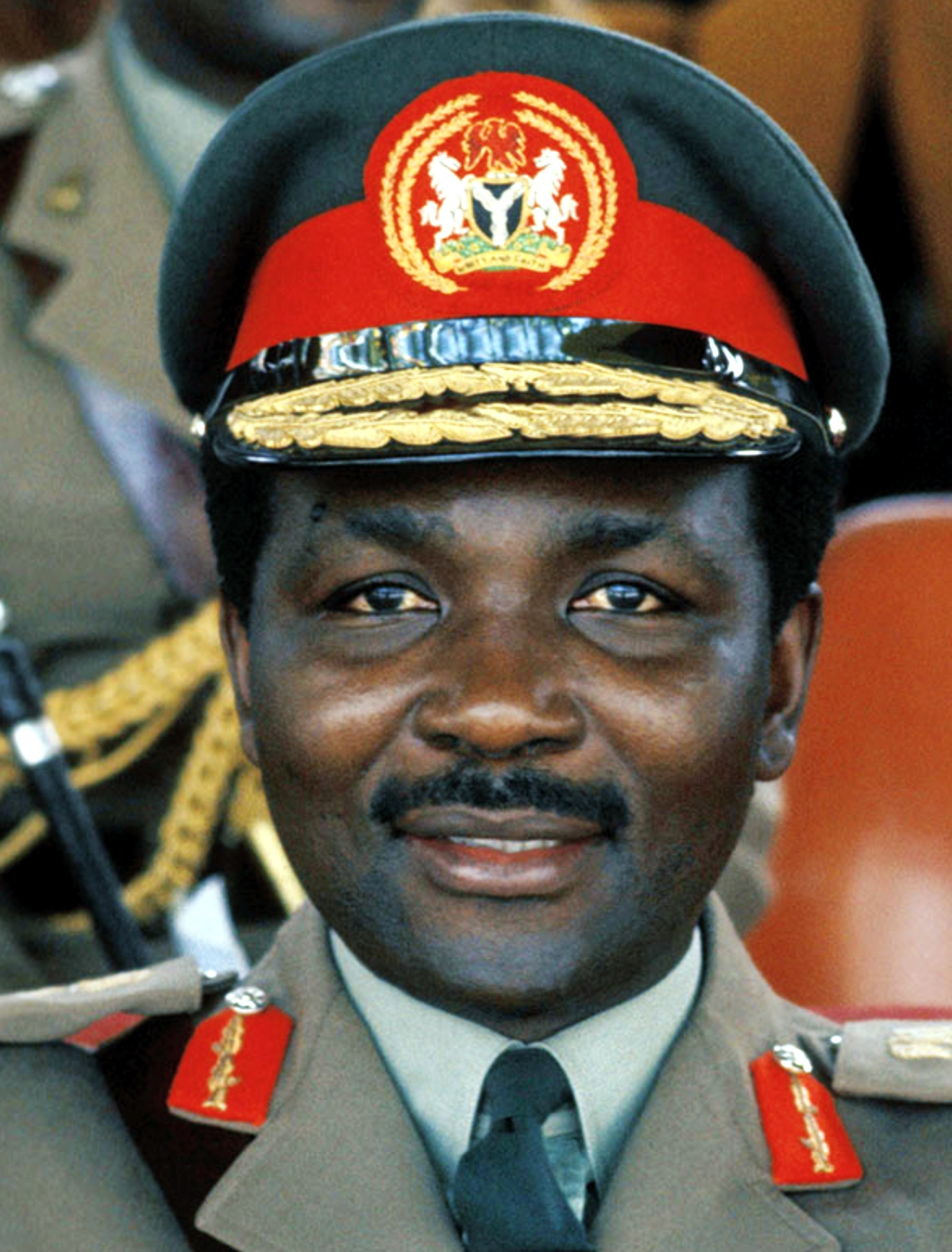

General Yakubu Gowon was just 31 years old when he became Nigeria’s head of state in 1966 — the youngest ever to hold the position, thrust into power during one of the most dangerous periods in the young nation’s history. He would go on to lead Nigeria through its devastating civil war, oversee the post-war reconciliation, and preside over a period of oil-fuelled prosperity before being overthrown in 1975. Now in his late eighties, he remains a respected elder statesman whose legacy in Nigerian history — particularly his handling of the post-civil war settlement — continues to generate admiration and scholarly debate.
Yakubu Gowon Biography
| Full Name | Yakubu Dan-Yumma “Jack” Gowon GCFR |
|---|---|
| Date of Birth | 19 October 1934 |
| Age | 91 years old (as of 2026) |
| Place of Birth | Kanke, Plateau State (then British Nigeria) |
| Nationality | Nigerian |
| Ethnicity | Angas (Ngas) |
| Religion | Christian (Anglican) |
| Occupation | Retired Military General, Humanitarian, Elder Statesman |
| Education | Nigerian Military Training College; Royal Military Academy Sandhurst; University of Warwick (PhD, Political Science) |
| Wife | Victoria Gowon (née Zakari) |
| Children | Several |
| Known For | Military Head of State (1966–1975); Nigerian Civil War; “No Victor, No Vanquished”; post-war reconciliation |
Early Life and Background
Yakubu Dan-Yumma Gowon was born on 19 October 1934 in Kanke, in what is now Plateau State, in central Nigeria. He was born into a Christian family — his father was one of the early Nigerian converts to Christianity in the region — and grew up in an area where multiple ethnicities and religious traditions intersected. His Angas (Ngas) ethnic heritage placed him outside the dominant Hausa-Fulani, Igbo, and Yoruba groupings, something that, while limiting his regional base in a strictly ethnic political calculus, allowed him to be positioned, at key moments, as a relative neutral in Nigeria’s fractious inter-ethnic politics.
Education and Military Training
Gowon attended the Government College Zaria and then enrolled in the Nigerian Military Training College. He went on to the prestigious Royal Military Academy Sandhurst in the United Kingdom for officer training — the same institution from which many Commonwealth military leaders of his generation graduated. He returned to Nigeria with a professional military formation that set him apart from many of his peers. After being deposed and going into exile in the United Kingdom in 1975, he enrolled at the University of Warwick, where he earned a PhD in Political Science — an unusual academic achievement for a former military ruler, and one that reflected his continued intellectual engagement with governance and international affairs.
Career Journey
Gowon rose rapidly through the ranks of the Nigerian Army after independence. He returned from a course at the Joint Staff College in the United Kingdom just two days before the January 1966 military coup, a timing that kept him off the coup planners’ target list. Following the coup and the countercoups that followed, he emerged as the most senior officer around whom various factions could coalesce. He became military head of state on 1 August 1966, at the age of 31 — Nigeria’s youngest ever head of state.
The most defining challenge of his tenure was the Biafran War (1967–1970), triggered by the Eastern Region’s declaration of independence as the Republic of Biafra under Odumegwu Ojukwu. The war lasted thirty months and resulted in enormous casualties — estimates of deaths from combat and the famine that accompanied the siege range widely, with some historians citing figures in the millions. Gowon maintained the federal government’s position that Nigeria was an indivisible nation, while simultaneously articulating a philosophy of post-war reconciliation that would prove critical to preventing a cycle of vengeance and reprisal.
When the Biafran side surrendered in January 1970, Gowon gave his famous “no victor, no vanquished” speech — a deliberate choice of framing that set the tone for a relatively magnanimous post-war settlement. He ordered troops to maintain order and prevent atrocities, and established the Reconstruction, Rehabilitation, and Reconciliation programme, though some of its provisions (including the controversial 20-pound cap on bank account repatriation for Biafrans) were criticised as insufficient. He also oversaw Nigeria’s entry into the era of oil revenue abundance following the 1973 OPEC oil price increases, which dramatically expanded the federal budget and enabled major infrastructure investment.
He was overthrown in a bloodless coup on 29 July 1975 while attending an OAU summit in Kampala. He went into exile in the United Kingdom, where he spent time studying at Warwick before eventually returning to Nigeria under later administrations. He has since lived as an elder statesman, engaged in humanitarian work and Christian ministry — his Yakubu Gowon Centre has focused on public health, youth development, and peace-building — and has been a respected voice in Nigerian and African public life.
Personal Life
Yakubu Gowon is married to Victoria Gowon (née Zakari), who has been a consistent and relatively private partner throughout his public and post-public life. They have several children. Gowon is a devout Anglican Christian, and his faith has been a central element of both his personal identity and his post-military public work, including his humanitarian and church-related activities in northern Nigeria and across the country.
Height and Physical Appearance
General Gowon is known for his distinctive, commanding physical presence — a bearing consistent with his military formation and his history as a field commander during one of Africa’s largest post-independence conflicts. Specific height measurements are not confirmed in public records.
Net Worth
Gowon’s net worth is not publicly documented. He has not been associated with the kind of commercial wealth accumulation that has characterised other former Nigerian leaders. His income in retirement has likely come from speaking engagements, his centre’s activities, and the ordinary entitlements of a former head of state. He is not generally regarded as among Nigeria’s wealthiest individuals.
Known For
Yakubu Gowon is known for being Nigeria’s youngest head of state; for leading the federal government during the Nigerian Civil War; for his post-war “no victor, no vanquished” speech and the reconciliation programme; for overseeing Nigeria’s oil revenue boom; for being overthrown by a bloodless coup in 1975; for earning a PhD from the University of Warwick in exile; and for his continuing humanitarian work through the Yakubu Gowon Centre.
Conclusion
Yakubu Gowon’s place in Nigerian history is secure, but contested. Those who emphasise the reconciliation and post-war magnanimity regard him as one of the most humane military rulers the continent has produced. Those who focus on the famine, the civilian casualties, and the structural inequities of the post-war settlement offer a more critical assessment. What is beyond dispute is that the country he held together in 1967 to 1970 still exists today as a single nation — and that the choices made in that crucible continue to shape the Nigeria of 2026.
Yakubu Gowon and the Post-Civil War Settlement
The specific policies of Gowon’s post-war reconciliation programme are as important as the philosophy behind them. The “3Rs” — Reconciliation, Rehabilitation, and Reconstruction — represented a deliberate framework for reintegrating Biafra into Nigeria that prioritised long-term national cohesion over short-term punitive satisfaction. The decision not to pursue war crimes prosecutions, to reintegrate Biafran military officers into the Nigerian Army at equivalent ranks (in most cases), and to invest in the reconstruction of infrastructure in the formerly Biafran Eastern Region were all choices that could have gone differently. The scale of death and destruction during the war — from combat, from famine, from the siege — created enormous pressure for recrimination. That Gowon resisted that pressure, while navigating the real political pressures from different ethnic and regional interests within the federal side, is one of the more under-appreciated acts of post-conflict statecraft in African history.
The most criticised aspect of the settlement was the decision to limit reimbursement of former Biafran bank account holders to 20 pounds, regardless of the pre-war balance in their accounts. For millions of Igbo Nigerians who had savings in Eastern Region banks that were effectively confiscated by this policy, the amount was not reconciliation but expropriation. The economic dispossession of a generation of Igbo professionals and business people — who returned from the conflict to find their assets gone and their companies occupied or nationalised — created structural inequalities that persisted for decades and continue to animate some of the grievances that drive Igbo political sentiment today. These failures of the reconciliation programme are part of Gowon’s complex legacy, alongside the genuine achievements.
Gowon’s Post-Overthrow Life and Humanitarian Work
After his overthrow in 1975, Gowon spent years in the United Kingdom — initially adjusting to civilian life, then pursuing academic study at the University of Warwick, where he earned his PhD in Political Science. The decision to pursue a doctorate rather than spend his exile years in political lobbying or commercial activity was an unusual one for a deposed African leader, and it gave him an intellectual engagement with questions of governance, development, and African political theory that informed his later humanitarian work.
He returned to Nigeria under subsequent administrations and built a post-military public identity centred on Christian ministry and humanitarian service. The Yakubu Gowon Centre, established in his name and with his active participation, has focused on public health (particularly in the area of HIV/AIDS, which became a priority cause for him), youth development, and peace-building. His faith — Anglican Christianity — has been central to this humanitarian engagement and to his public identity since leaving power. He has spoken at religious and civic events across Nigeria about reconciliation, forgiveness, and the moral obligations of those who have held power.
Yakubu Gowon’s Enduring Historical Significance
Yakubu Gowon at 91 is the last living figure from the generation of leaders who navigated Nigeria’s most existential crisis — the civil war that tested whether the state created at independence would survive its first decade. His survival of that generation, and his ongoing presence as an elder statesman whose advice is still sought and whose historical experience is still referenced, gives him a significance in Nigerian public life that goes beyond his years in formal power. The questions he had to answer in the late 1960s — about unity, about the limits of self-determination, about how victors should treat the vanquished — are not closed historical questions. They continue to echo in contemporary Nigerian political debates about restructuring, resource control, and ethnic representation. Gowon’s choices in that crucible, whatever their limitations, shaped the country that subsequent generations have inherited.
Frequently Asked Questions (FAQs)
How old is Yakubu Gowon?
He was born on 19 October 1934 and is 91 years old as of 2026.
What is Yakubu Gowon best known for?
He is best known for leading Nigeria through the Biafran War (1967–1970) and for his “no victor, no vanquished” post-war reconciliation approach.
Did Yakubu Gowon earn a PhD?
Yes, after being overthrown and going into exile in the United Kingdom, he enrolled at the University of Warwick and earned a PhD in Political Science.
Who overthrew Yakubu Gowon?
He was overthrown in a bloodless coup on 29 July 1975 while attending an OAU summit in Kampala, Uganda. The coup brought Brigadier Murtala Mohammed to power.
What is the Yakubu Gowon Centre?
It is a humanitarian and development organisation founded by General Gowon that focuses on public health, youth empowerment, and peace-building across Nigeria and Africa.
